
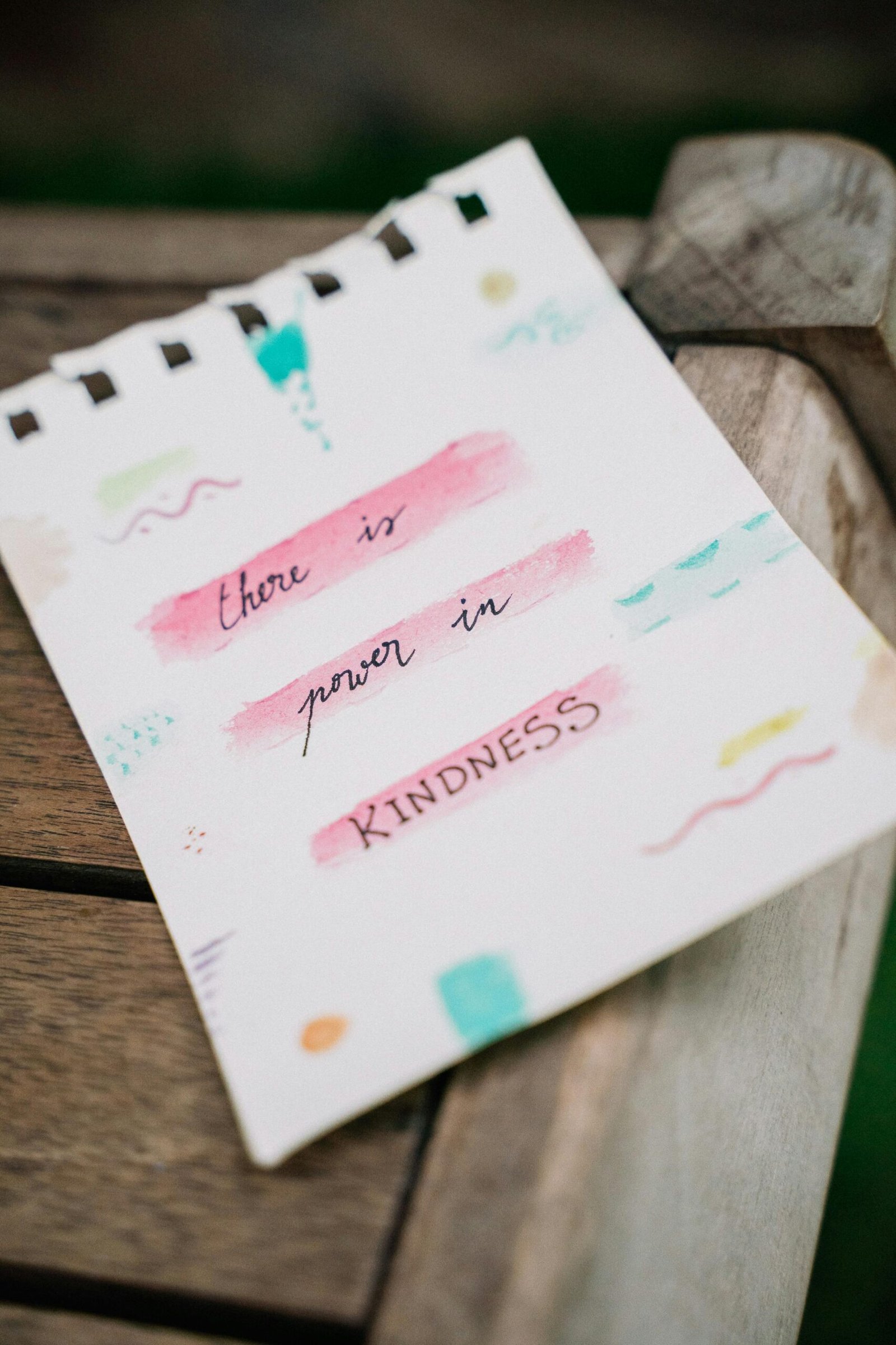
In property management, every day brings unique challenges—late rent payments, maintenance issues, noise complaints, and sometimes, heated emotions. While policies and procedures are critical for keeping communities running smoothly, there’s one tool that often gets overlooked but can have the greatest impact: kindness.
Kindness isn’t about being a pushover or disregarding rules. Instead, it’s about meeting people where they are, recognizing that behind every complaint or confrontation is a human being with their own stresses, fears, and frustrations. When property managers lead with empathy and compassion, they often find that conflicts resolve faster, residents feel heard, and trust within the community grows stronger.
Why Kindness Matters in Conflict Situations
When tensions rise, people naturally go into a defensive state. It’s human nature. Voices get louder, tempers flare, and solutions seem harder to reach. But when a property manager responds with patience and kindness instead of frustration, it can disarm the situation almost instantly.
For example, imagine a resident upset about a maintenance delay. They’ve been without air conditioning for two days, and the heat is unbearable. They might enter the office ready to argue. If the manager responds with equal frustration—“We’re doing the best we can!”—the conflict escalates. But if instead, the manager acknowledges their discomfort—“I understand this is uncomfortable, and I want you to know we’re doing everything possible to get this resolved”—the tone shifts. The resident feels validated, and the conversation becomes more productive.
The Ripple Effect of Kindness
Kindness doesn’t just soothe tense moments—it strengthens relationships. When residents feel they are respected and cared for, they’re more likely to:
-
Communicate openly instead of letting issues fester.
-
Follow community guidelines willingly.
-
Extend kindness to neighbors and staff themselves.
In many ways, kindness creates a ripple effect across the property. A positive interaction between a manager and a resident can inspire residents to treat each other with the same patience and respect, fostering a healthier and happier living environment.
Training Staff to Lead with Empathy
Of course, kindness in the face of conflict doesn’t always come naturally, especially when a manager is under stress themselves. This is why training is essential. De-escalation training helps staff learn how to stay calm, use active listening skills, and apply communication techniques that reduce tension. By practicing these approaches, kindness becomes second nature, even in high-pressure situations.
When managers are trained to approach difficult conversations with empathy, not only do conflicts decrease, but managers also feel less stress and burnout. Everyone wins—residents, staff, and the broader community.
A Simple but Powerful Reminder
Kindness may sound simple, but in property management, it’s a powerful professional tool. Rules and regulations will always be necessary, but how they’re communicated makes all the difference. A calm tone, a smile, or an acknowledgment of someone’s frustration can open the door to resolution much faster than authority alone ever could.
As the saying goes, “People may forget what you said, but they will never forget how you made them feel.”
Want to Learn More?
If you or your team are looking to strengthen your communication skills and master de-escalation techniques for property management, we invite you to explore our online courses on De-Escalation for Property Management. These courses are designed to give you practical, actionable tools for handling conflict with professionalism—and yes, with kindness.
Because in the end, kindness goes a long way.
And if you’d like to learn more about our customized live training for you and your team, you can schedule a free consultation with one of our coaches HERE!






Related Posts